Advanced Artwork Restoration: A Detailed Insight

Art restoration is a delicate and highly skilled process that breathes new life into damaged or aging artworks. Whether it is a centuries-old painting, a fragile sculpture, or a historic textile, restoration helps preserve cultural heritage for future generations. This article explores the world of advanced artwork restoration, offering a comprehensive look at the techniques, challenges, and importance of this craft.
Understanding Advanced Artwork Restoration
Advanced artwork restoration involves more than just cleaning or repairing visible damage. It requires a deep understanding of the materials, history, and original techniques used by the artist. Restorers use scientific methods and artistic skills to stabilize and enhance the artwork without compromising its authenticity.
Key aspects of advanced restoration include:
Material Analysis: Identifying pigments, binders, and substrates to choose appropriate restoration materials.
Historical Research: Understanding the artwork’s provenance and previous restorations.
Conservation Ethics: Ensuring interventions are reversible and do not alter the artist’s original intent.
For example, when restoring a Renaissance painting, conservators might use infrared reflectography to see underdrawings and understand the artist’s process before applying any treatment.

Techniques Used in Advanced Artwork Restoration
Restoration techniques vary depending on the type of artwork and the extent of damage. Some common methods include:
Cleaning: Removing dirt, varnish, and old restoration materials using solvents or gels tailored to the artwork’s composition.
Consolidation: Strengthening fragile areas by injecting adhesives or applying supportive layers.
Inpainting: Carefully filling in missing paint areas with reversible pigments that match the original colors.
Structural Repairs: Fixing tears in canvases, cracks in sculptures, or damage to frames.
Environmental Control: Ensuring the artwork is stored or displayed in conditions that prevent further deterioration.
For instance, cleaning a 19th-century oil painting might involve testing various solvents to remove yellowed varnish without damaging the underlying paint.
The Role of Technology in Restoration
Modern technology has revolutionized the field of art restoration. Tools such as X-ray fluorescence (XRF), 3D scanning, and digital imaging allow conservators to analyze and document artworks with unprecedented precision.
XRF Spectroscopy: Identifies elemental composition of pigments without sampling.
3D Scanning: Creates detailed models of sculptures for virtual restoration or replication.
Digital Imaging: Helps compare before-and-after conditions and plan treatments.
These technologies enable restorers to make informed decisions and minimize risks during the restoration process.
Challenges in Advanced Artwork Restoration
Restoring artwork is not without its challenges. Some common difficulties include:
Material Degradation: Some materials deteriorate beyond repair, requiring careful replacement or stabilization.
Ethical Dilemmas: Deciding how much restoration is appropriate without altering the original work.
Environmental Factors: Pollution, humidity, and light exposure can accelerate damage.
Limited Documentation: Lack of historical records can make it hard to determine the original appearance.
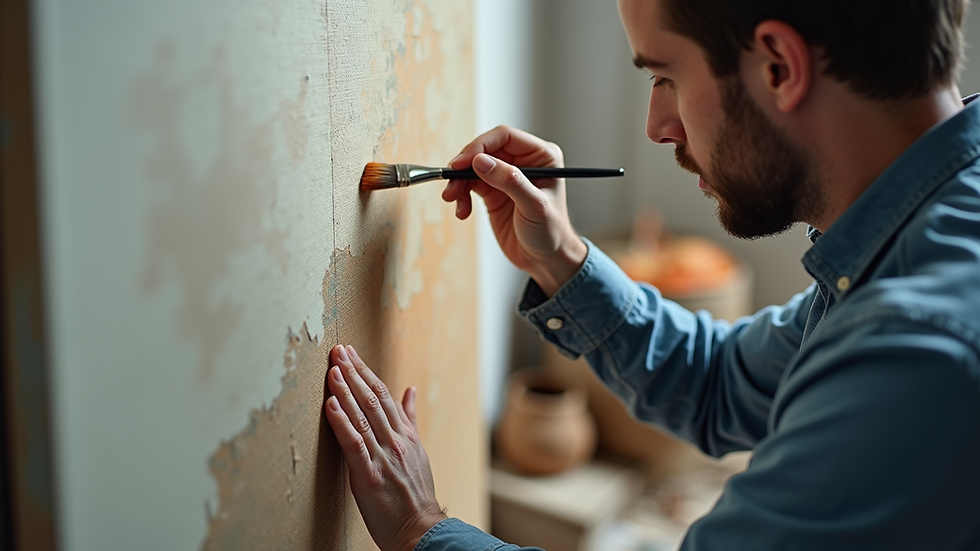
A restorer working on a fresco might face the challenge of stabilizing flaking plaster while preserving the original pigments, requiring a balance between intervention and preservation.
How to Choose a Professional Art Restorer
Selecting the right expert is crucial for successful restoration. Here are some tips:
Check Credentials: Look for conservators with formal training and certification.
Review Portfolio: Examine previous restoration projects to assess skill and style.
Ask About Methods: Ensure they use reversible and scientifically sound techniques.
Request References: Speak with past clients or institutions they have worked with.
Discuss Costs and Timeline: Get clear estimates and understand the restoration process.
Engaging with professional art restoration services ensures your artwork receives the highest standard of care.
Preserving Art for Future Generations
Advanced artwork restoration is not just about fixing damage; it is about preserving history and culture. By combining scientific knowledge, artistic skill, and ethical responsibility, restorers help artworks survive the test of time.
Whether you own a family heirloom or manage a museum collection, understanding the restoration process empowers you to make informed decisions about preserving your treasures.
By appreciating the complexity and importance of advanced artwork restoration, we can all contribute to safeguarding our shared cultural heritage.


Comments